Balancing Nature and Use
If you’ve ever wandered through Kilfinan Community Forest, you’ll know it’s a special place. Whether it’s a quiet dog walk, a family ramble, or just a bit of headspace among the trees, it means different things to different people. What’s not always obvious, though, is what goes on behind the scenes to keep the forest healthy, safe, and thriving. This isn’t just a patch of woodland left to its own devices, it’s a working forest, cared for by the community. That means there’s a balance to strike between access, conservation, and practical land management. So rather than seeing each part in isolation, it’s helpful to think of the forest as one connected system, where every decision feeds into the next.
When we say Kilfinan is a working forest, we simply mean it’s actively looked after rather than left entirely to chance. Trees are planted, some are thinned, and occasionally others are felled, not as an end in itself, but as part of a longer cycle of growth. That cycle is what naturally leads into land management more broadly. Looking after a forest isn’t just about trees, it’s about the ground they grow in, the spaces between them, and the people who use them.
Land Management
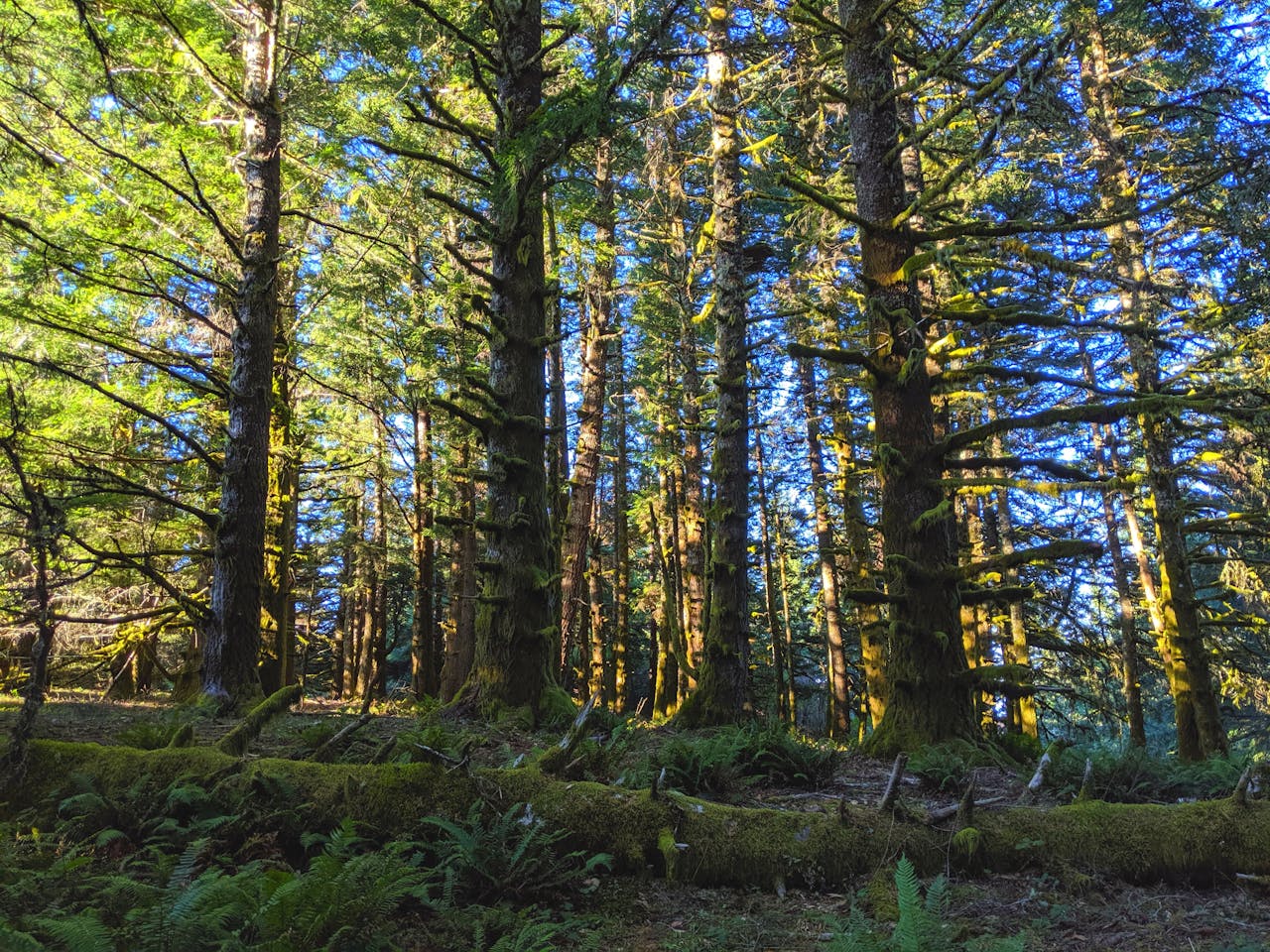
Good land management is really about balance. Too many trees in one area and they compete for light and nutrients; too few and you lose shelter, structure, and habitat. So part of the job is gently guiding the forest as it develops. That might mean creating space for younger trees to establish, maintaining paths so people can safely enjoy the woodland, or keeping an eye on tree health over time. It’s all planned carefully, often years in advance, to make sure today’s work supports tomorrow’s forest.
But those plans aren’t made in a vacuum. They’re shaped not just by local knowledge, but by wider guidance too, which is where our relationship with Scottish Forestry comes in.
Working with Scottish Forestry
As a community-owned forest, we work within a broader framework set out by Scottish Forestry. They help guide how woodlands are managed across the country, making sure things are done sustainably and responsibly. In practice, that means agreeing long-term plans that outline what happens and where, including the types of trees that are planted and how different areas are used. There’s also an element of governance, ensuring that environmental standards are met and that the forest is being managed in a way that protects its future.
Rather than limiting what we do, this partnership helps bring structure and reassurance. It means local decisions are supported by national experience, and that everything happening in the forest fits into a bigger picture. And as those plans take shape on the ground, they naturally connect to other parts of forest stewardship, including how we look after wildlife.
Learn more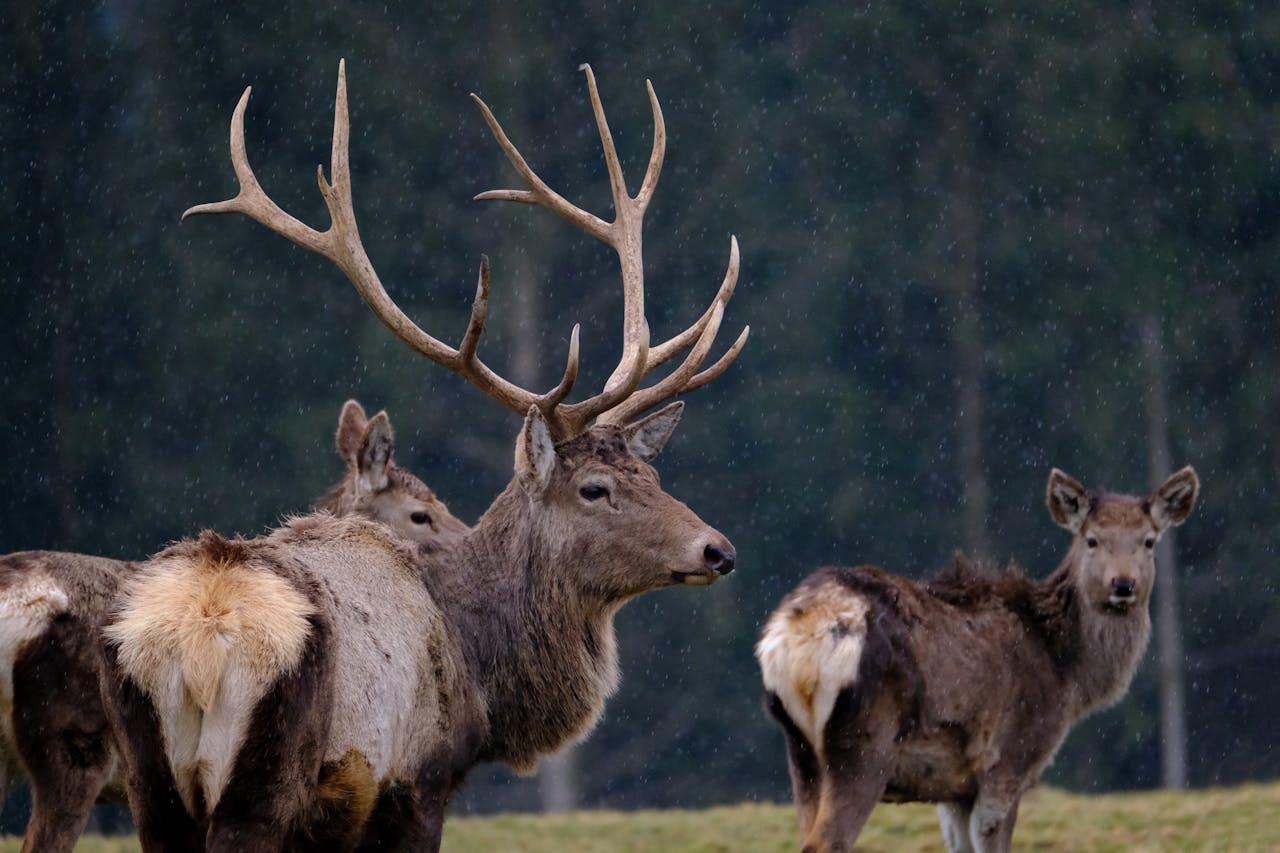
Deer Management
Wildlife is a big part of what makes the forest feel alive, and deer are very much part of that picture. Seeing them in the woodland is something many people value. At the same time, like any natural system, there needs to be a bit of balance. Without natural predators, deer numbers can grow to a point where they start to affect young trees and ground vegetation. Over time, that can make it harder for the forest to regenerate and diversify.
So, as part of the overall management approach, deer numbers are kept in check where needed. It’s done carefully, responsibly, and always with the wider health of the forest in mind and it’s wildlife. In many ways, it links back to everything we’ve already mentioned, from tree planting to long-term planning, helping ensure those efforts aren’t undone. That balance between people, trees, and wildlife is really what sits at the heart of conservation.
Conservation
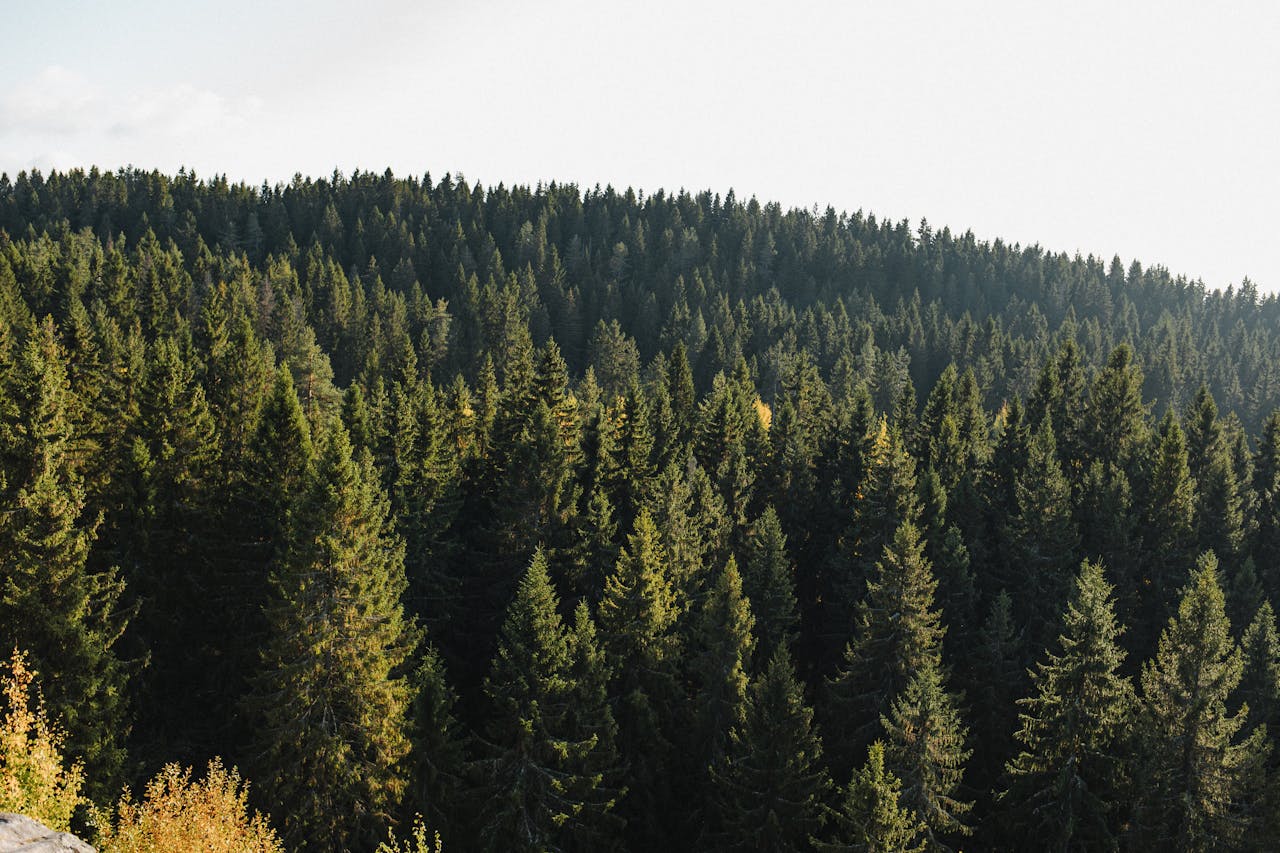
Conservation isn’t a separate activity from land management, it runs through everything we do. A healthy forest supports a wide range of life, from birds and insects to fungi and plants on the forest floor. Creating the right conditions for that diversity means thinking about more than just how the forest looks, it’s about how it functions.
Sometimes that means leaving fallen trees to decay naturally, because they provide important habitats. Other times it means managing invasive species, or protecting quieter areas where wildlife can thrive undisturbed. Even the structure of the forest, the mix of tree species, ages, and open spaces plays a role. And all of this ties back to the earlier decisions around planting, thinning, and long-term planning.
Woodland Crofts
One of the more unique aspects of Kilfinan Community Forest is the presence of woodland crofts. These are small-scale tenancies within the forest, where individuals or families manage a defined area of land in a way that works alongside the wider forest plan. Woodland crofts can include a mix of activities, from small-scale growing and sustainable use of woodland resources, to low-impact land stewardship. Each croft is different, but they all share a common thread: working with the land rather than against it.
In many ways, woodland crofts add another layer to how the forest evolves. They bring regular human presence into certain areas, help maintain and care for the land on a smaller scale, and contribute to the overall diversity of how the forest land is used. Importantly, they don’t sit separately from the rest of the forest. Crofters work within the same wider framework and long-term plans, meaning their activities complement the broader goals around sustainability, conservation, and responsible land use.
It’s another example of how the forest is shaped not just by natural processes, but by people who are actively connected to it.
Supporting Local Businesses
As the forest continues to develop, there’s a growing focus on how it can also support the local economy in a sustainable and meaningful way. This might include working with local contractors for forestry operations, sourcing materials and services from nearby businesses, or creating opportunities for small enterprises to be involved in the life of the forest. In some cases, it could mean supporting local makers, outdoor providers, or community-led initiatives that align with the values of the forest.
The idea isn’t to fully commercialise the space, but to strengthen the link between the forest and the people who live and work around it. By keeping activity local where possible, the benefits of the forest can be shared more widely across the community. It’s a natural extension of what the forest already represents, a community asset that supports not just the environment, but the people connected to it. And just like everything else, this only works because of the people who give their time and energy to the place.
Volunteering
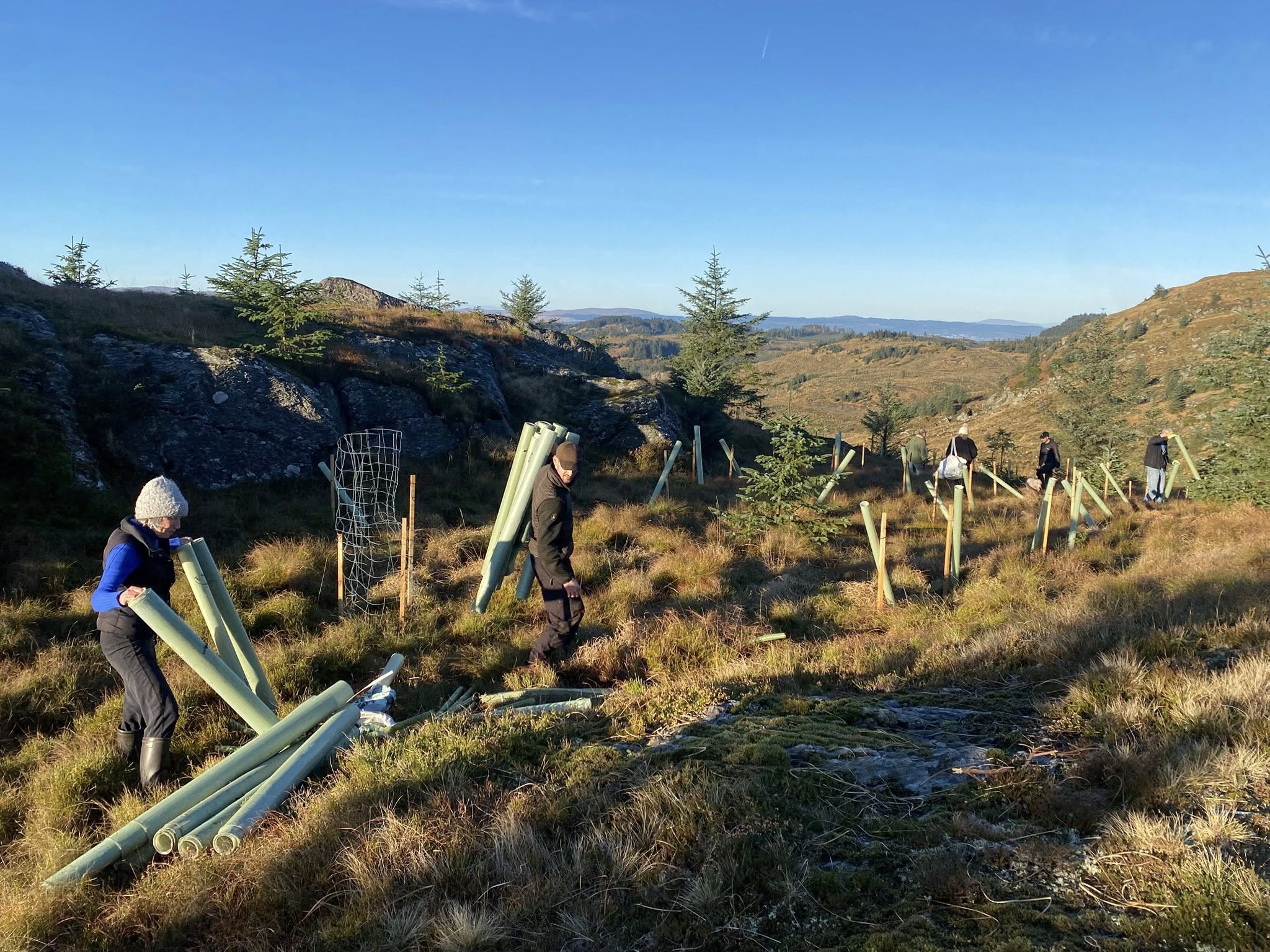
One of the defining features of Kilfinan Community Forest is that it’s shaped by the people who care about it. Volunteers are involved in all sorts of ways, from practical tasks like path work and tree planting, to helping with conservation projects or community activities. It’s not about needing specialist knowledge, it’s about being willing to get involved and be part of something shared.
And in many ways, volunteering is where everything comes together. It connects people to the land, gives a hands-on understanding of how the forest is managed, and helps keep the whole system ticking along. Even small contributions can have a lasting impact, especially in a place that’s managed for the long term.
A Shared Space
All of this adds up to something quite simple: Kilfinan Community Forest is a shared space. It’s a place for recreation, for wildlife, and for sustainable land use, all at the same time. The work that goes on behind the scenes helps keep that balance, even if it’s not always immediately visible.
By understanding a bit more about how the different pieces fit together, from land management and planning, to conservation and wildlife, it becomes easier to see why certain decisions are made.

Looking Ahead
Forests change slowly, often over decades rather than years. The work being done now is part of a much longer story, one that future generations will continue.
By managing the forest thoughtfully, working in partnership with organisations like Scottish Forestry, and staying rooted in the local community, Kilfinan Community Forest can continue to grow and adapt over time.